Reels and Shorts for a Local Business: How to Record Effective Video in Summer 2026
• Tuesday, 9th June 2026 • Marketing Wideo •
The summer months are one of the best times for video marketing for a local business. Why? Natural light is available for 16-17 hours a day, the outdoors becomes a natural backdrop, and the activity of many businesses, from hospitality to garden services to workshops, comes alive in summer in a way that is perfect to show on screen. If you have been putting off making videos all year until “I have more time”, that time is now.
How do Reels differ from Shorts, and which should you choose?
Instagram Reels and YouTube Shorts are technically similar formats: vertical, short videos up to 90 seconds long (Reels) or up to 60 seconds (Shorts). The difference lies in the platform and the audience. Reels reach mainly Instagram and Facebook users, that is, the 25-45 age demographic that dominates Meta’s services. YouTube Shorts reach a wider and older audience, and the videos can appear in Google search results, which gives them additional SEO potential.
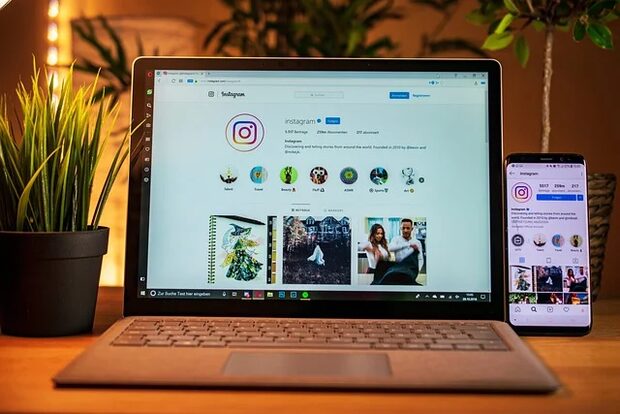
For a local service business, such as a carpentry workshop, a gardening company, a caterer or a smokehouse, we recommend producing content for both platforms. The algorithms of both services actively promote short video, because it is a format that generates high engagement. One recording can be published on both after minor modifications (title, hashtags, description).
Technical set-up: what do you really need?
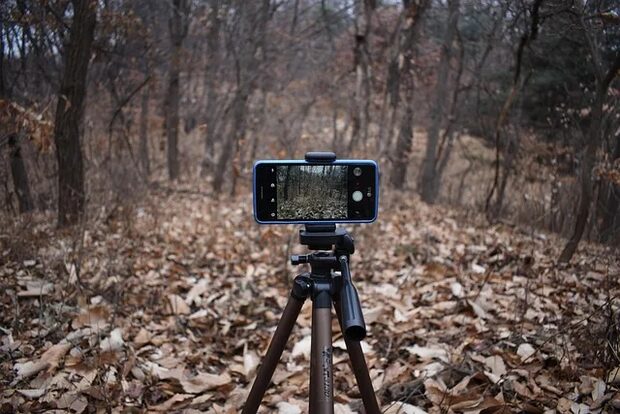
The question about equipment is the first brake for most small business owners. The answer is simple: a smartphone recording at 1080p or higher, a stabiliser (a gimbal or even a tripod with a phone holder) and a few recording rules are enough. A dedicated camera is unnecessary.
Always recording in vertical mode (9:16) is a must. Videos shot horizontally are displayed with black bars on Reels and Shorts, which dramatically reduces engagement. Hold the smartphone upright or place it on a tripod in portrait orientation.
Sound is more important than picture. Grain on a video can be accepted, but unclear, hissing sound puts viewers off instantly. The cheapest lapel or directional microphone for a smartphone (costing PLN 50-150) radically improves recording quality. Outdoors in summer, wind is the enemy: record with your back to the wind or use a windshield on the microphone.
Rules for good lighting in summer
Summer gives you access to the cheapest and best source of light: the sun. The key rules are: never record into the sun (the light source should always be in front of you or to the side), and avoid recording between 11 and 15, when the sun is at its highest and creates harsh shadows on faces and sharp contrasts. The golden hour, the hour after sunrise and before sunset, gives warm, soft light that is ideal for product and process recordings.
Outdoors, look for places with naturally diffused light: in the shade of a tree, by an open production hall, under a shelter. Deep shade is better than direct midday sun. If you are recording indoors, face a window; it is the simplest and free way to get good natural lighting.
Summer content ideas for different industries
Seasonality is your asset in summer video marketing. Instead of recording generic videos “about the company”, it is worth showing what is happening now, in June and July. A few specific ideas:
Service businesses (gardeners, tree climbers, tree care, construction): a “day in the life”, from the morning arrival at the site to the end of the day, shots of work in the field, a look at tools and techniques. This format generates natural curiosity and builds trust through transparency.
Hospitality and catering businesses: short clips of dishes being prepared, wedding and picnic tables, and behind the scenes at an event. A summer outdoor setting and colourful food make naturally attractive visual material without any styling.
Craft workshops (carpentry shops, forges, workshops): recordings of the production process are among the most watched video formats. Showing how a piece of furniture comes from a piece of wood, from outline to finished product, is content for which viewers click “follow” on their own.
Farms and agricultural businesses: harvests, work in the fields, feeding animals. “Farm life” content has a huge audience base, especially among urban viewers.
The first seconds decide everything
The platforms’ algorithms measure the retention rate: what percentage of people watch a video to the end. If the first 1-3 seconds do not grab the viewer’s attention, the video is skipped and the algorithm stops promoting it. The rule is brutal: if a video does not have a strong opening, there is no point recording it.
A strong opening is a specific situation or statement. Not a greeting (“hi, today I’ll show you...” is a reach killer), but immediate action or a visually intriguing scene. The first shot should already have something “happening”: a flame under the smokehouse, a wood shaving flying from a chisel, vegetables being chopped, water splashing from watering. Movement catches the eye.
Captions and accessibility
A significant proportion of Instagram and YouTube users watch videos without sound. Adding captions, even ones generated automatically by CapCut, InShot or Instagram’s built-in tool, increases watch time by anywhere from ten to several dozen per cent. It is a free step that genuinely improves results.
Regularity matters more than perfection
One perfect video a month brings worse results than two or three solid videos a week. Short-video algorithms reward regularity and frequency, because it means the creator is supplying the platform with new content that engages users. Give up the pursuit of perfection; instead record, publish, check what works, and record the next one.
Summer, with its long days and visually rich activity, is the ideal time to build recording into your business’s weekly rhythm. Get in touch if you need support in planning a video marketing strategy for your business.